
Mathematical foundations of Computer Science(2021-2023)
This course deals with the study of Probability and Statistics,Linear Algebra,Numeric Analysis,Geometric transformations and Optimization techniques .

LAW RELATING TO TRADE MARKS, PASSING OFF AND TRADE SECRETS
CO1: Expose the students to the historical and theoretical foundations of trademark protection
CO2: Equip the students to evaluate the grounds for refusal of registration of trademarks and the concepts of distinctiveness and deceptive similarity of trademark underlying the notion of infringement .
CO3: Familiarise the students with the interrelationship between TradeMarks and Domain Names and the Caselaws relating to disputes with it.
CO4: Enable the students to learn the practical aspects of acquisition and transfer of trademarks and understand the concept of dilution and the recent trends in passing off
CO5: Enable the student to learn the substantive and procedural aspects of the law relating to trademark law.
CO6: Equip the students to understand about the concept of Trade secrets, Confidential Information, its protection and to examine how far confidential information is applicable to Employee Employer relationship.
CO7: Enable the students to know about the remedies available to Trade Secrets Owner, and to collate the position of Trade Secrets in US, UK and India
CO1: Expose the students to the historical and theoretical foundations of trademark protection
CO2: Equip the students to evaluate the grounds for refusal of registration of trademarks and the concepts of distinctiveness and deceptive similarity of trademark underlying the notion of infringement .
CO3: Familiarise the students with the interrelationship between Trade Marks and Domain Names and the Caselaws relating to disputes with it.
CO4: Enable the students to learn the practical aspects of acquisition and transfer of trademarks and understand the concept of dilution and the recent trends in passing off
CO5: Enable the student to learn the substantive and procedural aspects of the law relating to trademark law.
CO6: Equip the students to understand about the concept of Trade secrets, Confidential Information, its protection and to examine how far confidential information is applicable to Employee Employer relationship.
CO7: Enable the students to know about the remedies available to Trade Secrets Owner, and to collate the position of Trade Secrets in US, UK and India


TRAVEL AND TOUR OPERATORS MANAGEMENT
Unit
Course Contents
Hours
e-Resources/
e-Content
I
Travel Agency: Meaning, Nature and Scope of Travel Agency – History of Travel Agency – Essentials of Travel Agency – Difference between travel agency and tour operator – Types of Travel Agencies – Setting up of a Travel Agency – Approval and recognition of Travel Agencies – Linkages with travel providers: Airlines, Hotels, Transport agencies, Cruise Companies etc. – Present trends and future prospects of travel retailing.
10
PPT/Videos
II
Functions of a Travel Agency: Travel information, Airline Ticketing and Reservation, Accommodation Reservation, Travel Insurance, Documentation – Passport – Types – Method of applying for passport – Renewal Tatkal – VISA – Types and Visa regulations for Schengen countries, U.K, U.S, Singapore, Malaysia, Middle East Countries – Health certificate – Insurance(Domestic and International) – Customs and immigration – Handling business/ corporate clients including conference and conventions.
8
PPT/Videos
III
Group travel procedures – Fiscal and non-fiscal incentives available to travel agencies – sources of income for a travel agent – products and services of a Travel Agent – Travel Agency skills and competences – Scope of online Travel Portals.
8
PPT/Videos
IV
Tour operators: Meaning, Nature and Scope of Tour Operation – Types of Tour operators – Rules for recognition of Tour Operator – Role of a Tour Operator – Establishing relationships – Tour planning and tour design – Destination research – Supplier negotiations – Pricing and selling – Pre-
8
PPT/Videos
93 | P a g e
tour operational concerns – Tour execution – Post-tour phase – free trips – escorting a tour – servicing outbound and inbound tourists.
V
Itinerary Planning: Meaning – Importance and Types of Itinerary – Resources and Steps for Itinerary Planning – Do’s and Don’ts of Itinerary Preparation – Tour Formulation and Designing Process – FITs & Group Tour Planning and Components – Special Interest Tours (SITs).
8
PPT/Videos
VI
Tour Packaging & Costing: Importance of Tour Packaging – Classifications of Tour Packages – Components of Package Tours – Concept of costing – Types of costs – Components of tour cost – Preparation of cost sheet – Factors affecting the Tour Cost – Tour pricing – Calculation of tour price – Pricing strategies – Tour packages of Thomas Cook, Cox & Kings, SOTC & Riya Travel
Case Study Discussion
Thomas Cook, Cox & Kings, SOTC, trivago, MakeMyTrip, Yatra etc.
8
PPT/Videos
Total
50
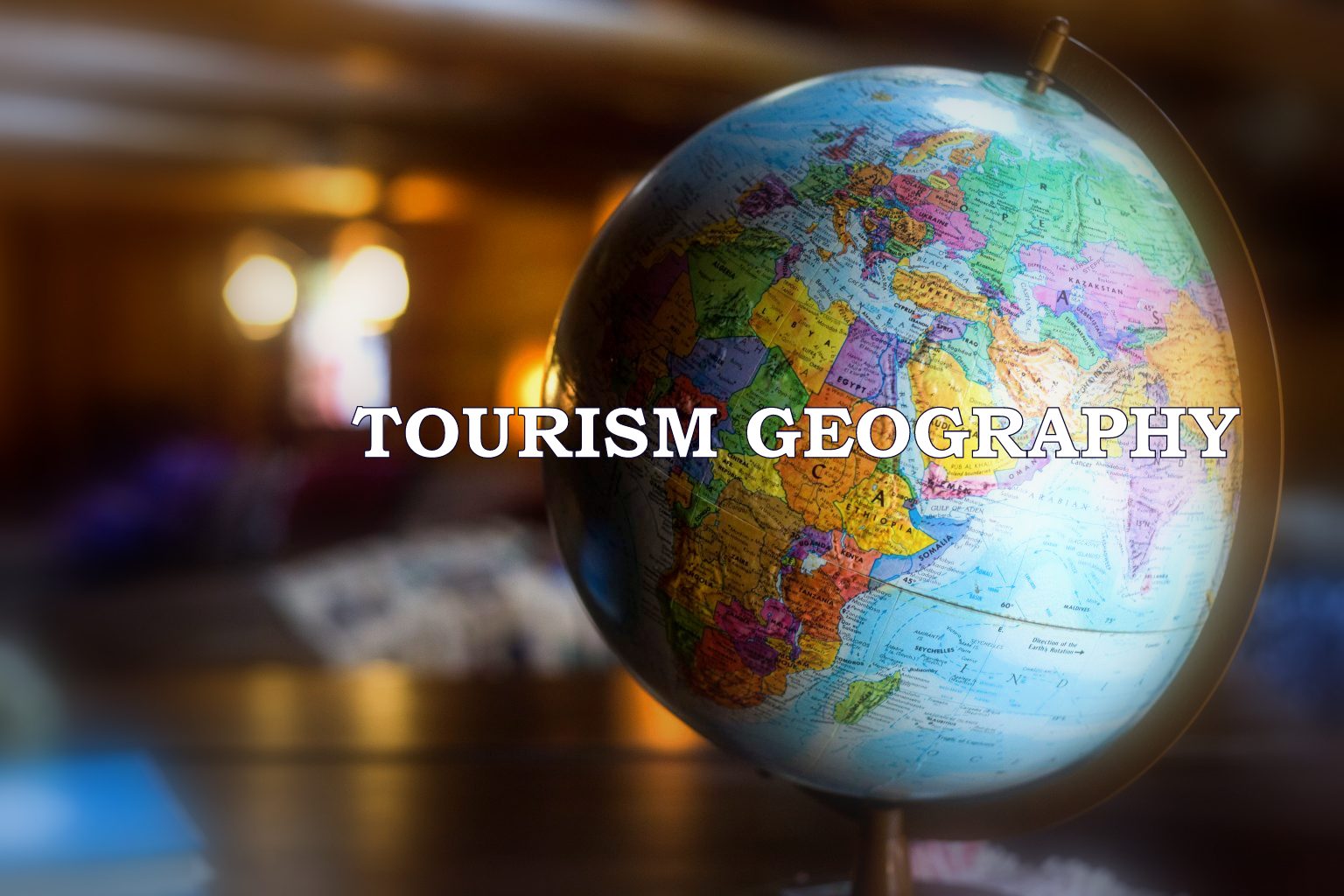
TOURISM GEOGRAPHY
|
Unit |
Course Contents |
Hours |
e-Resources/ e-Content Unit |
|
I |
World geography: Physical geography of North, South and Central America, Europe, Africa & Australasia, World Economic Geography; North, South and Central America, Europe, Africa, Asia & Australia, Transport, major Tourism Activities and destinations. Aviation Geography, IATA areas, sub areas & sub regions, IATA three letter city code, Airline code, latitude and longitude, International Date Line, Time Zones, calculation of time, GMT variation, concept of elapsed time, flying time and grounding time. |
8 |
Videos |
|
II |
Planning and development of different tourism activities in different climatic regions, a case study of China, Switzerland, France, Malaysia, Maldives, Hong Kong, Sri Lanka. Travel formalities, familiarization with TIM, passport, VISA, Health Certificate, Currency Certificate, insurance, customs, credit card and traveler’s cheque, money transfer. |
8 |
NPTEL Videos / |
|
III |
Defining “Destination”, Types of destination, characteristics of destination, Destinations and products, Development, meaning and function, goals for development, Tourism and linkage between destination and development, Destination Management Systems, Destination planning guidelines, Destination zone planning model, Scenic highways. Destination selection process, The Value of Tourism. Definitions of planning outlines the key elements of the planning process and analysis, National and Regional Tourism Planning and development hierarchy, Assessment of Tourism Potential, Coordination and Control of Tourism Development, Tourism Planning and Conservation: Policies and Procedures, Planning for Sustainable Tourism Development, Contingency Planning, economic impact, social impact, cultural impact, environmental impact, demand and supply match, sustainable development and planning approaches and indicators, design and innovations. |
9 |
Videos |
|
IV |
Tangible and intangible attributes of destination, person’s determined image, destination determined image, measurement of destination image, place branding and destination image destination image formation process, unstructured image, destination appraisal. Strategy development and planning of destinations and tourism products. Product development and packaging, culture and nature-based development. Image and image-building of products and destinations. Amalgamation of destination services. |
9 |
Videos / |
|
V |
Six ‘A’s framework for tourism destinations, The dynamic wheel of tourism stakeholders. Strategic marketing for destinations and strengthening their competitiveness, destination marketing mix, formulating the destination Product, Pricing the destination, Destination branding, 8Ps in Destination Marketing Destination distribution channels, Destination |
8 |
NPTEL Videos |
|
VI |
Public and private policy, Public Private Partnership (PPP) National Planning Policies, WTO guideline for planner, References, Role of Urban civic body, Town planning, urban development, Environmental Management Systems, Environmental Assessment, commoditization, demonstration effect, carrying capacity, community participation, stakeholder management. |
8 |
Videos |
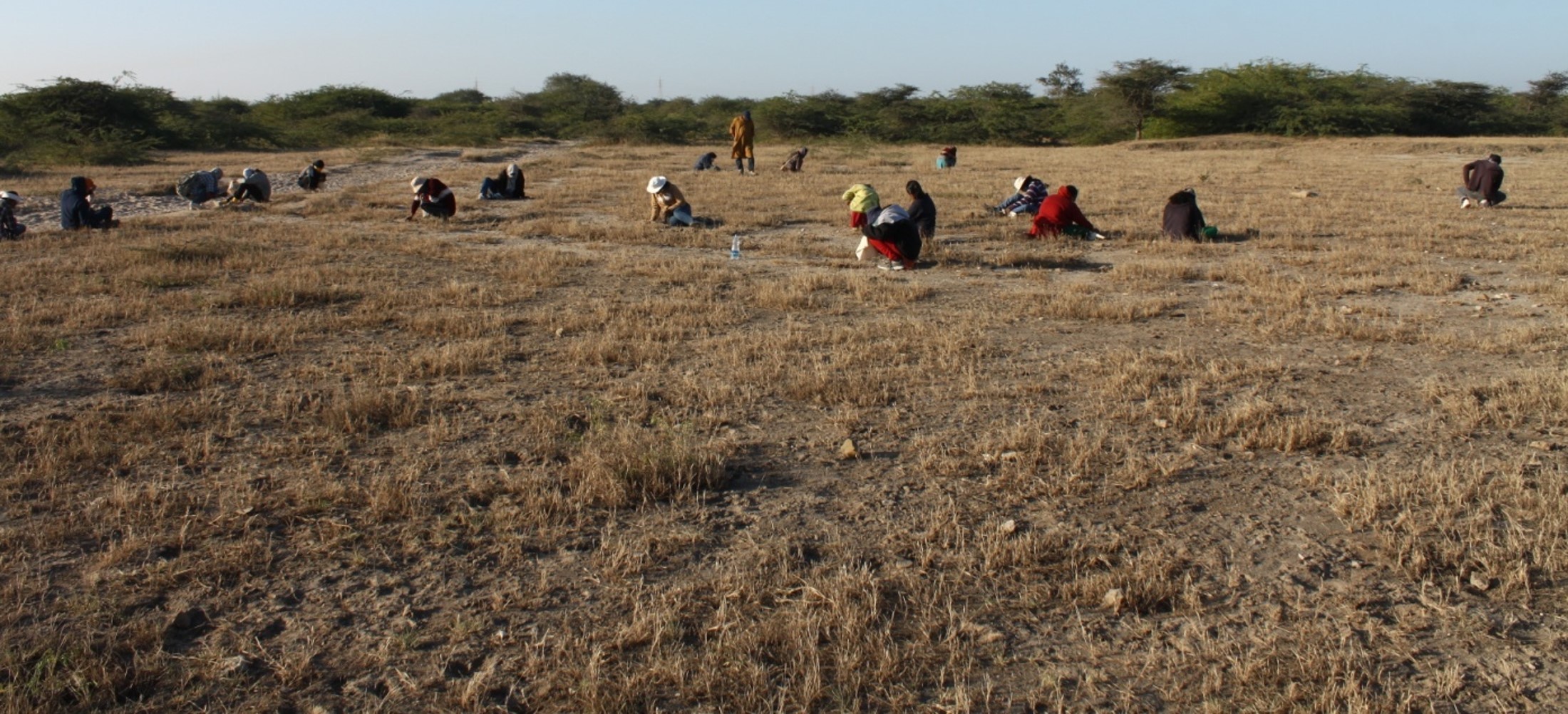

The Quran
This course is designed to introduce Qur’an as a literary work, dealing with its miraculous features, its prominent interpretations and the social and moral values which Qur'an stands for. This course briefly touches with influence of Quran on Arabic Language and Literature.

INTRODUCTORY LINEAR ALGEBRA
This course is offered to the first semester M.Sc. Mathematics students of Department of Mathematics, University of Kerala
COMPLEX ANALYSIS - INTRODUCTORY
This course is a gentle introduction to the theory of functions of one complex variable.

COJ CC 532 COMMUNICATION, CULTURE AND SOCIETY
To perform the basic concepts and methods in the area communication.
To create theoretical frameworks in analyzing social issues and problem.
To design the fundamental research framework for Communication practices.
To find out the underlying loops of Communication, Culture and Society.
To connect the contemporary communication experiences to the Social.
To narrate the differences and similarities of different Communication theories.

International Marketing
Enable students to Understand and explain the basic principles and practices of global marketing.
Machine Learning Techniques_2021
Compare and contrast the statistical Machine learning Techniques

ARC-DE-534 HERITAGE AND MUSEUM MANAGEMENT
CO1: Understand the history of conservation and it as a multidisciplinary science, theories, modern principles and guidelines, its approaches, attitude, professional ethics and scope of entrepreneurship
CO2: Get an idea about the material elements in structures, factors effecting monuments, conservation problems and issues and structural conservation measures.
CO3: Acquire a basic knowledge about the Museums, its definition, development, function and organizations of museums. Types of Museums and Museum buildings.
CO4: Understand the Artefacts– their collection, documentation, conservation and preservation.
CO5: Learn about the Exhibition– presentation, exhibition techniques, show cases and furniture Exhibit Lighting. Security.
CO6: Familiarize the Indian antiquarian laws and salient features of the following Acts - a). Indian Treasure Trove Act-1878 b). The Ancient Monuments and Archaeological Sites and Remains Act 1958 c). Antiquities and Art Treasure Act 1972.
CO7: Get acquainted with the rules and regulations of1972 UNESCO ‘Convention concerning the protection of the world cultural and Natural Heritage’.